




Isuf B.Bajrami
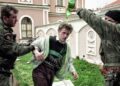
Politika e sigurisë dhe veprimet ushtarake të Serbisë nën udhëheqjen e presidentit Aleksandar Vuçiç pasqyrojnë një model të kombinuar të “akrobacioneve politiko-ushtarake” që shërbejnë si instrument për demonstrim fuqie dhe presion politik. Nga aktivitetet e hershme të Snajperistëve në kontekstin e tensioneve të Bosnjës e deri tek stërvitjet në Zonën Tokësore të Sigurisë pranë kufirit me Kosovën, veprimet kanë një përshkallëzim të qëllimshëm në afërsi të komuniteteve të ndjeshme etnikisht (Bieber, 2020; Judah, 2009).¹
Analiza e këtyre veprimeve tregon dy dimensione kryesore:
1.Dimensoni politik: Stërvitjet ushtarake dhe prezenca e forcave të armatosura pranë kufirit shërbejnë si mjet për mesazhe simbolike dhe presion mbi komunitetet shqiptare, duke krijuar një ambient frike dhe pasigurie. Ky model ka precedent historik në rajon, ku demonstrimet e forcës shërbejnë për të konsoliduar pozita politike brenda vendit dhe për të dërguar sinjale ndërkombëtare (Bieber, 2020).
2.Dimensoni ushtarak: Përzgjedhja e zonave të stërvitjeve, shpesh pranë vendbanimeve shqiptare ndërkohë që ekzistojnë alternativa neutrale (si Vrtogoshi), tregon një strategji taktike për presion psikologjik dhe kontroll të territorit. Kjo përputhet me parimet e proporcionalitetit dhe nevojës së justifikimit të aktiviteteve sipas së drejtës ndërkombëtare, por krijon tensione të dukshme në marrëdhëniet etnike dhe rajonale (Dinstein, 2011; Schmitt, 2017).
Në këtë kuadër, analiza e veprimeve të Vuçiçit nuk mund të kufizohet thjesht tek aspektet teknike ushtarake, por kërkon një qasje të integruar që përfshin drejtësinë ndërkombëtare, mekanizmat e OSCE-së për transparencë dhe jurisprudencën e ECtHR mbi të drejtat e komuniteteve civile. Rezultati është një kuadër i qartë për të kuptuar se si akrobacionet politiko-ushtarake shërbejnë si instrument për ndryshimin e status quo-së rajonale dhe presion mbi popullsitë etnike.
1.Implikimet e sigurisë të stërvitjeve ushtarake pranë zonave të banuara: rasti i Bujanocit
Zhvillimi i stërvitjeve ushtarake nga Serbia në territorin e Komunës së Bujanocit, në afërsi të kufirit me Republikën e Kosovës, përbën një çështje komplekse në ndërthurjen e sigurisë rajonale, sovranitetit shtetëror dhe respektimit të të drejtave të njeriut. Ndërsa shtetet kanë të drejtë të zhvillojnë aktivitetet ushtarake brenda territorit të tyre, kjo e drejtë nuk është absolute dhe i nënshtrohet kufizimeve të parashikuara nga e drejta ndërkombëtare dhe standardet evropiane (Dinstein, 2011:142; Schmitt, 2017:88).¹
2. Sovraniteti dhe kufizimet e tij
Sovraniteti shtetëror është themel i të drejtës ndërkombëtare, por nuk mund të shërbejë si mburojë për shkelje të të drejtave themelore të popullsisë civile. Jurisprudenca e ECtHR ka theksuar parimin e “balancës së drejtë” midis interesit publik dhe të drejtave individuale (ECtHR, 1982: Sporrong and Lönnroth v. Sweden). Dinstein (2011:142) dhe Schmitt (2017:88) argumentojnë se veprimet ushtarake pranë zonave të banuara duhet të jenë proporcionalisht të justifikuara dhe transparente.
3. Transparenca dhe parashikueshmëria
Dokumenti i Vjenës i OSCE-së (2011) vendos masa për njoftime paraprake dhe shkëmbim informacioni mbi aktivitetet ushtarake:
•Njoftime paraprake për stërvitje mbi pragjet e caktuara²,
•Shkëmbim të të dhënave mbi forcën dhe lëvizjet³,
•Inspektime dhe verifikime⁴.
Henderson (2013:57) dhe O’Connell (2016:88) theksojnë se shmangia e informimit mbi aktivitetet që prekin popullatën civile cenon besimin dhe krijon efekt psikologjik negativ.
4. Parimi i proporcionalitetit dhe përzgjedhja e vendndodhjes
Ekzistenca e zonave alternative si Vrtogoshi, e cila nuk prek drejtpërdrejt popullatën civile, ngre pyetje mbi arsyeshmërinë e zhvillimit të stërvitjeve në hapësirën ndërmjet vendbanimeve shqiptare Breznica dhe Muhovci.
Sipas jurisprudencës së ECtHR, çdo ndërhyrje duhet të jetë e domosdoshme dhe proporcionale (ECtHR, 1982: Sporrong and Lönnroth v. Sweden). Dinstein (2011:149) dhe Schmitt (2017:92) nënvizojnë se parimi i proporcionalitetit është themelor për aktivitetet ushtarake pranë zonave të banuara, duke përfshirë vendndodhjen dhe kohëzgjatjen e stërvitjes.
5. E drejta e pronës
Neni 1 i Protokollit Nr. 1 të ECHR garanton respektimin e pasurisë. Ndërhyrjet lejohen vetëm nëse janë ligjore, ndjekin një interes publik dhe janë proporcionale⁵. Pengimi i qasjes në prona ose kufizimi i përdorimit të tyre pa kompensim mund të përbëjë shkelje të këtij standardi (Weiler, 2010:67).
6. Jeta private dhe familjare
Neni 8 i ECHR mbron jetën private dhe banesën. Në Lopez Ostra v. Spain (1994), ECtHR vendosi se ndërhyrjet që ndikojnë në cilësinë e jetës përbëjnë shkelje të këtij neni⁶. Veprimet ushtarake intensive pranë popullsisë civile, veçanërisht në rajone etnikisht të ndjeshme, mund të shkaktojnë stres psikologjik dhe pasiguri (Roberts & Guelff, 2000:112; Henderson, 2013:63).
7. Presioni psikologjik dhe trajtimi çnjerëzor
Neni 3 i ECHR ndalon trajtimin çnjerëzor ose degradues. Në Cyprus v. Turkey (2001), Gjykata pranoi se presioni i vazhdueshëm dhe pasiguria mund të përbëjnë trajtim degradues⁷. Veprimet strukturore të forcave të armatosura, të kombinuara me presionin psikologjik dhe pengesat në qasje, mund të interpretohen si ndërhyrje e vazhdueshme me karakter degradues (Roberts & Guelff, 2000:245).
8. Ndalimi i diskriminimit
Neni 14 i ECHR ndalon diskriminimin. ECtHR ka theksuar se masa neutrale mund të jenë diskriminuese nëse prekin disproporcionalisht një komunitet të caktuar (D.H. and Others v. Czech Republic, 2007)⁸. Në kontekstin e Bujanocit, përzgjedhja e stërvitjes pranë vendbanimeve shqiptare, ndërkohë që janë të disponueshme alternativa neutrale, mund të ngrejë çështje diskriminimi indirekt (Weiler, 2010:72).
9. Efekti kumulativ dhe zhvendosja faktike
Jurisprudenca e ECtHR thekson se një seri masash të veçanta mund të analizohen në mënyrë kumulative. Nëse kombinohen kufizimi i qasjes në prona, prania e forcave të armatosura dhe pasiguria e vazhdueshme, kjo mund të çojë në zhvendosje faktike të popullsisë (ECtHR, 2001: Cyprus v. Turkey; Dinstein, 2011:152).
10. Përfundim
Stërvitjet ushtarake janë të lejuara nga e drejta ndërkombëtare, por mënyra e realizimit të tyre, zgjedhja e vendndodhjes dhe ndikimi mbi popullatën civile janë vendimtarë për ligjshmërinë dhe legjitimitetin e tyre. Në zonat etnikisht të ndjeshme si Bujanoci, respektimi rigoroz i parimeve të proporcionalitetit, transparencës dhe mosdiskriminimit mbetet kyç për ruajtjen e stabilitetit dhe të drejtave themelore të njeriut.
Fusnota
1.Bieber, F. (2020) Patterns of Authoritarian Politics in the Western Balkans. Berlin: Berghof Foundation.
2.Judah, T. (2009) The Serbs: History, Myth and the Destruction of Yugoslavia. New Haven: Yale University Press.
3.Dinstein, Y. (2011) The Conduct of Hostilities under the Law of International Armed Conflict. Cambridge: Cambridge University Press, p.142.
4.Schmitt, M.N. (2017) Tallinn Manual 2.0. Cambridge: Cambridge University Press, p.88.
5.OSCE (2011) Vienna Document 2011, Chapter V.
6.OSCE (2011) Vienna Document 2011, Chapter I.
7.OSCE (2011) Vienna Document 2011, Chapter IX.
8.Protocol No.1, Article 1, ECHR; Weiler, J.H.H. (2010) The Constitution of Europe. Cambridge: Cambridge University Press, p.67.
9.ECtHR, Lopez Ostra v. Spain (1994); Roberts, A. & Guelff, R. (2000) Documents on the Laws of War. Oxford: Oxford University Press, p.112; Henderson, I. (2013) p.63.
10.ECtHR, Cyprus v. Turkey (2001); Roberts & Guelff, 2000:245.
11.ECtHR, D.H. and Others v. Czech Republic (2007); Weiler, 2010:72.
Vendi i Lekës;19.03.2026
Politico-Military Acrobatics of Aleksandar Vučić: from Snajperist in Sarajevo to the Land Security Zone near the Kosovo Border
Isuf B.Bajrami
The security policy and military actions of Serbia under the leadership of President Aleksandar Vučić reflect a combined pattern of “politico-military acrobatics” that serve as instruments for demonstrating power and political pressure. From the early activities of Snajperist in the context of tensions in Bosnia to the exercises in the Land Security Zone near the Kosovo border, these actions show a deliberate escalation near ethnically sensitive communities (Bieber, 2020; Judah, 2009).¹
The analysis of these actions shows two main dimensions:
1.Political dimension: Military exercises and the presence of armed forces near the border serve as a tool for symbolic messages and pressure on Albanian communities, creating an environment of fear and insecurity. This model has historical precedent in the region, where demonstrations of force consolidate political positions internally and send international signals (Bieber, 2020).
2.Military dimension: The choice of exercise areas, often near Albanian settlements while neutral alternatives exist (such as Vrtogosht), demonstrates a tactical strategy for psychological pressure and territorial control. This aligns with principles of proportionality and the necessity of justification under international law, but creates visible tensions in ethnic and regional relations (Dinstein, 2011; Schmitt, 2017).
In this context, the analysis of Vučić’s actions cannot be limited solely to technical military aspects but requires an integrated approach that includes international law, OSCE transparency mechanisms, and ECtHR jurisprudence on the rights of civilian communities. The result is a clear framework for understanding how politico-military acrobatics serve as instruments for changing the regional status quo and pressuring ethnic populations.
1.Security Implications of Military Exercises Near Populated Areas: The Case of Bujanovac
The conduct of military exercises by Serbia in the territory of the Municipality of Bujanovac, near the border with the Republic of Kosovo, represents a complex issue at the intersection of regional security, state sovereignty, and human rights protection. While states have the right to conduct military activities within their territory, this right is not absolute and is subject to limitations under international law and European standards (Dinstein, 2011:142; Schmitt, 2017:88).¹
2. Sovereignty and Its Limits
State sovereignty is a cornerstone of international law but cannot serve as a shield for violations of fundamental civil rights. ECtHR jurisprudence has emphasized the principle of a “fair balance” between public interest and individual rights (ECtHR, 1982: Sporrong and Lönnroth v. Sweden). Dinstein (2011:142) and Schmitt (2017:88) argue that military actions near populated areas must be proportionally justified and transparent.
3. Transparency and Predictability
The OSCE Vienna Document (2011) prescribes measures for prior notification and information exchange regarding military activities:
•Prior notification for exercises above certain thresholds²,
•Data exchange on force composition and movements³,
•Inspections and verification mechanisms⁴.
Henderson (2013:57) and O’Connell (2016:88) emphasize that failure to inform about activities affecting civilians undermines trust and produces negative psychological effects.
4. Principle of Proportionality and Site Selection
The existence of alternative areas, such as Vrtogosht, which do not directly affect civilians, raises questions regarding the justification for conducting exercises between the Albanian settlements of Breznica and Muhovci.
According to ECtHR jurisprudence, any interference must be necessary and proportionate (ECtHR, 1982: Sporrong and Lönnroth v. Sweden). Dinstein (2011:149) and Schmitt (2017:92) stress that proportionality is fundamental for military activities near populated areas, including the location and duration of exercises.
5. Property Rights
Article 1 of Protocol No. 1 of the ECHR guarantees the protection of property. Interventions are permitted only if lawful, serve a public interest, and are proportionate⁵. Preventing access to property or restricting its use without compensation may constitute a violation of this standard (Weiler, 2010:67).
6. Private and Family Life
Article 8 of the ECHR protects private life and the home. In Lopez Ostra v. Spain (1994), the ECtHR held that interventions affecting quality of life constitute violations of this provision⁶. Intensive military actions near civilian populations, especially in ethnically sensitive areas, may cause psychological stress and insecurity (Roberts & Guelff, 2000:112; Henderson, 2013:63).
7. Psychological Pressure and Degrading Treatment
Article 3 of the ECHR prohibits inhuman or degrading treatment. In Cyprus v. Turkey (2001), the Court recognized that continuous pressure and insecurity can constitute degrading treatment⁷. Structural actions by armed forces, combined with psychological pressure and access restrictions, may be interpreted as ongoing interventions with a degrading character (Roberts & Guelff, 2000:245).
8. Non-Discrimination
Article 14 of the ECHR prohibits discrimination. The ECtHR has emphasized that neutral measures can be discriminatory if they disproportionately affect a specific community (D.H. and Others v. Czech Republic, 2007)⁸. In the Bujanovac context, selecting exercises near Albanian settlements, while neutral alternatives exist, may raise issues of indirect discrimination (Weiler, 2010:72).
9. Cumulative Effect and De Facto Displacement
ECtHR jurisprudence highlights that a series of individual measures can be assessed cumulatively. When combined—restriction of property access, presence of armed forces, and ongoing insecurity—these measures may result in the de facto displacement of the population (ECtHR, 2001: Cyprus v. Turkey; Dinstein, 2011:152).
10. Conclusion
Military exercises are permitted under international law, but their execution, choice of location, and impact on civilians determine their legality and legitimacy. In ethnically sensitive areas such as Bujanovac, strict adherence to principles of proportionality, transparency, and non-discrimination is crucial for maintaining stability and protecting fundamental human rights.
Footnotes
1.Bieber, F. (2020) Patterns of Authoritarian Politics in the Western Balkans. Berlin: Berghof Foundation.
2.Judah, T. (2009) The Serbs: History, Myth and the Destruction of Yugoslavia. New Haven: Yale University Press.
3.Dinstein, Y. (2011) The Conduct of Hostilities under the Law of International Armed Conflict. Cambridge: Cambridge University Press, p.142.
4.Schmitt, M.N. (2017) Tallinn Manual 2.0. Cambridge: Cambridge University Press, p.88.
5.OSCE (2011) Vienna Document 2011, Chapter V.
6.OSCE (2011) Vienna Document 2011, Chapter I.
7.OSCE (2011) Vienna Document 2011, Chapter IX.
8.Protocol No.1, Article 1, ECHR; Weiler, J.H.H. (2010) The Constitution of Europe. Cambridge: Cambridge University Press, p.67.
9.ECtHR, Lopez Ostra v. Spain (1994); Roberts, A. & Guelff, R. (2000) Documents on the Laws of War. Oxford: Oxford University Press, p.112; Henderson, I. (2013) p.63.
10.ECtHR, Cyprus v. Turkey (2001); Roberts & Guelff, 2000:245.
11.ECtHR, D.H. and Others v. Czech Republic (2007); Weiler, 2010:72.
The Land of Leka; 19.03.2026





Discussion about this post